

WHAT TO
Know Before You Roll
Everything you need to know for a safe, enjoyable ride on São Miguel
The Azores volcanic heart means a landscape rich in elevation changes. On São Miguel, a week of cycling can easily rack up nearly 10,000 meters of ascent. Traditional cycling here is a true test of endurance. We offer E-bikes precisely to help turn what would be heroic suffering into an enjoyable adventure…
…but the climbs are not the only test of endurance the island can sometimes put you through.
TRAILS
The Island Doesn't Stand Still
— Trails can change overnight due to storms, fallen trees, erosion, or landslides.
— The Azores doesn’t have the usual all-mountain single tracks that you’d find elsewhere in the world.
— Many routes shown on online platforms are no longer rideable or have become significantly more technical.
— Mobile signal can be unreliable in remote areas.
— Download offline maps before setting out.
— Some trails can become heavily overgrown. What looks like a clear route on an app may now be hidden by vegetation.
— Riding routes not provided by Up Down Trails may expose you to difficult terrain, navigation challenges, or trail closures.
Guide Tip:
Not every line on a map is a good biking trail.
WEATHER
Four Seasons Before Lunch
— São Miguel is full of micro-climates, and the weather changes quickly, especially at higher elevations.
— Carry a lightweight waterproof layer, even on clear days.
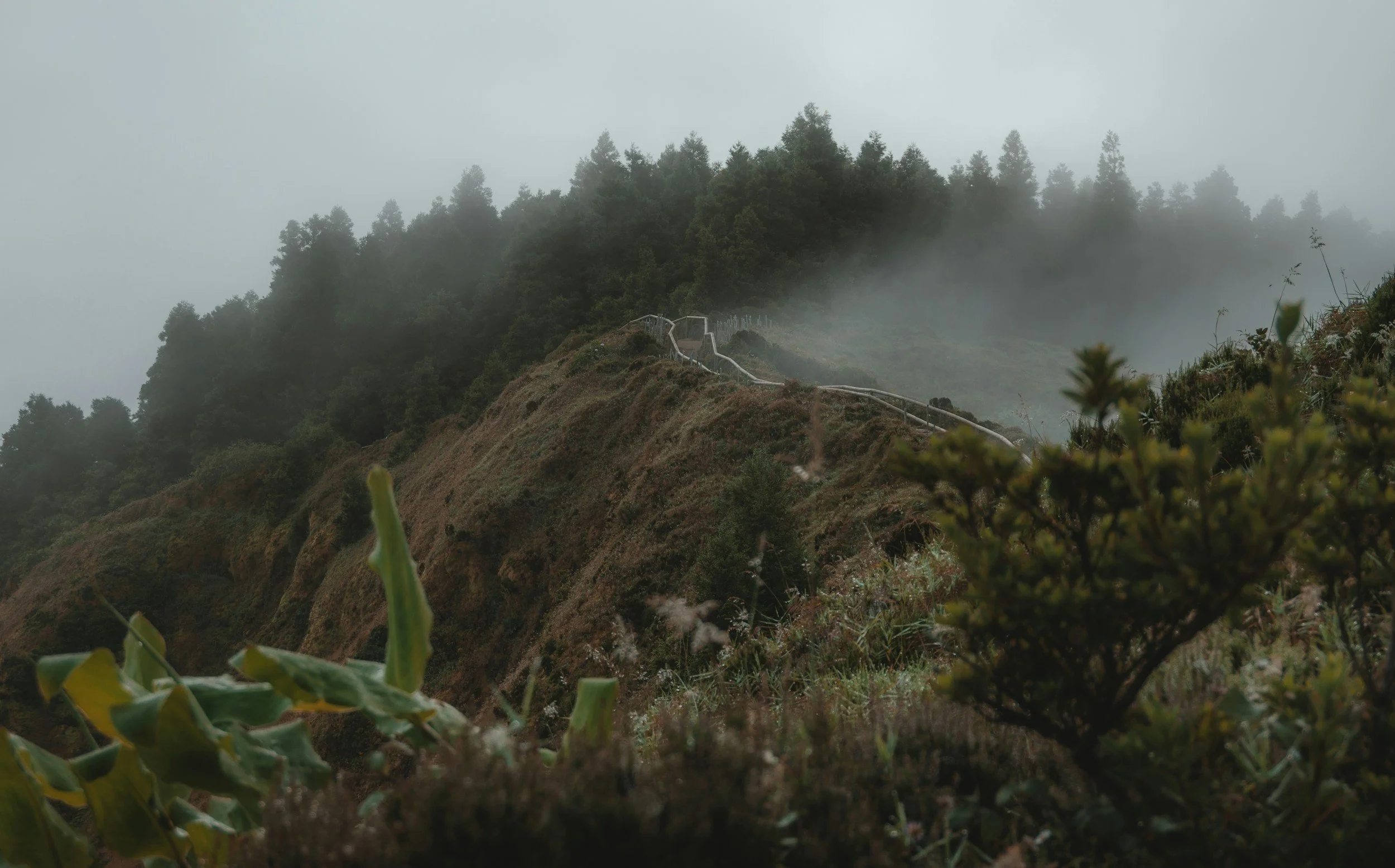
— Fog can reduce visibility dramatically on ridges and viewpoints
— Unexpected gusts of wind on ridges, cliffs, and viewpoints can be quite dangerous.
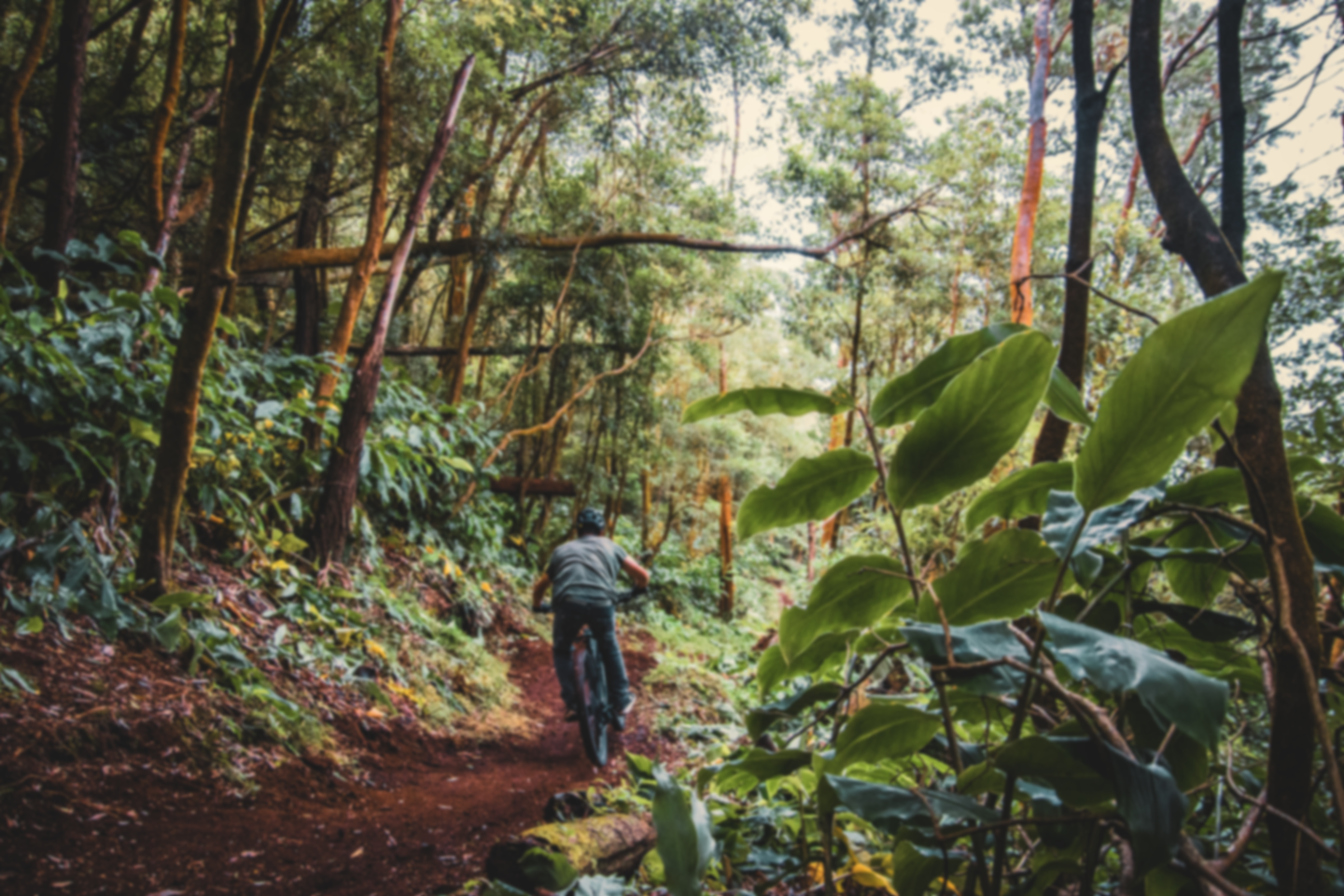
— Wet volcanic soil, roots, and rock become very slippery.
— Small creeks can grow and gain significant power after heavy rainfall
— Darkness arrives quickly beneath the forest canopy, especially on the eastern slopes.
Local Tip:
“If you don’t like the weather, wait five minutes.”
SHARE THE TRAIL
São Miguel's trails pass through active farmland and natural habitats. Livestock regularly moves between fields, and cattle guard dogs can be extremely protective of their territory. Slow down, stay alert, and always give the animals plenty of space. During the Cagarro season, young seabirds can become stranded on roads after dark—if you encounter one, please contact SOS Cagarro rather than attempting to move it yourself.